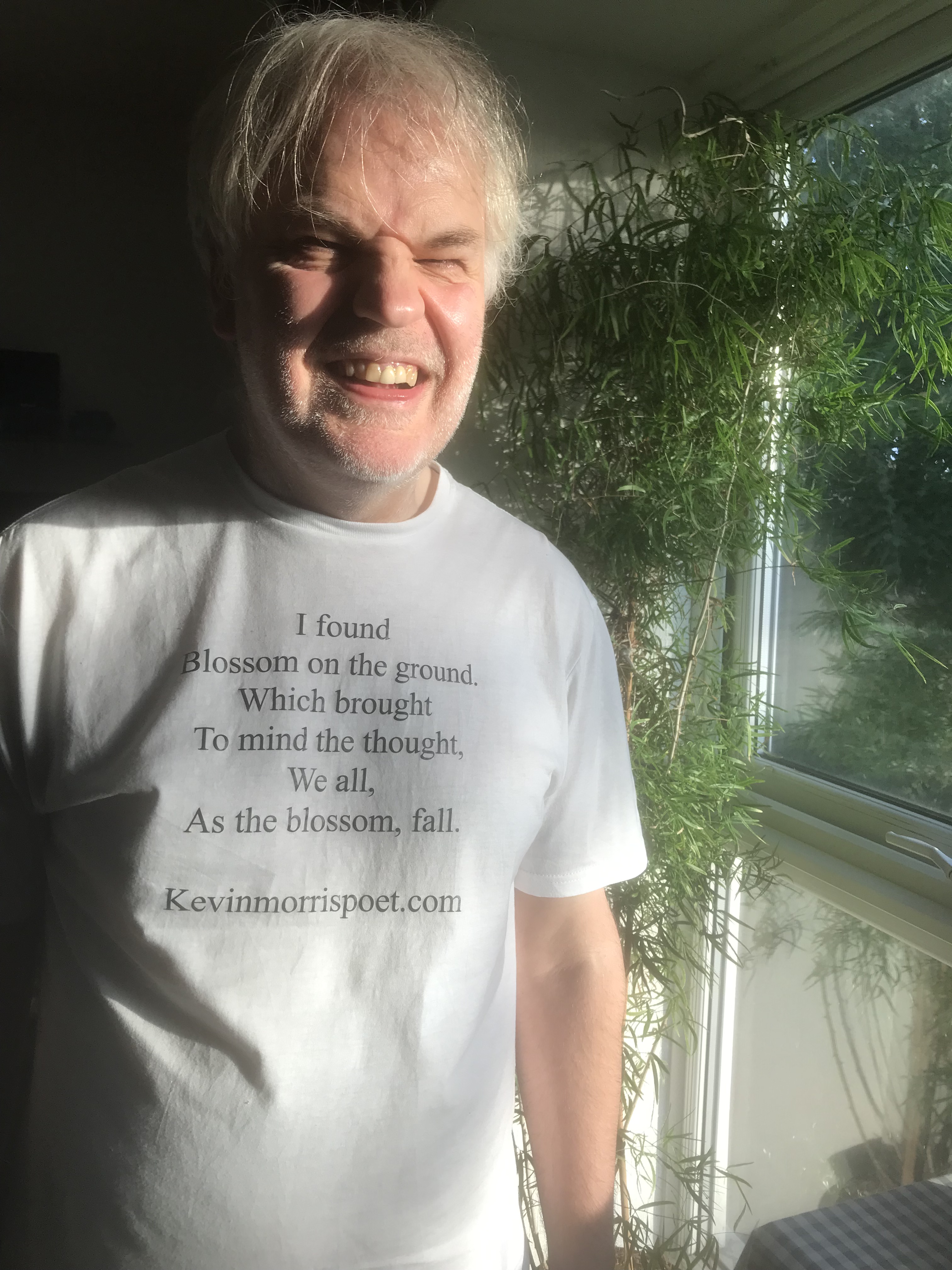
As I shopped in the supermarket earlier today, one of the assistants read the poem printed on my t-shirt:
“I found
Blossom on the ground;
Which brought
To mind the thought,
We all,
As the blossom, fall”.
“Do you like poetry?”, I asked.
“Yes. If it rhymes”, she replied.
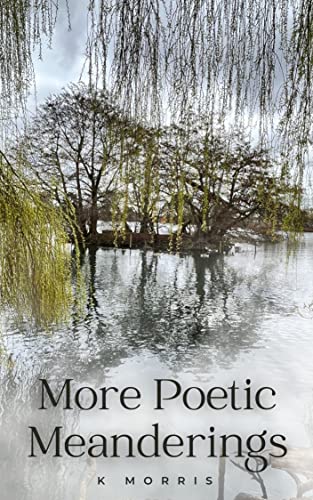
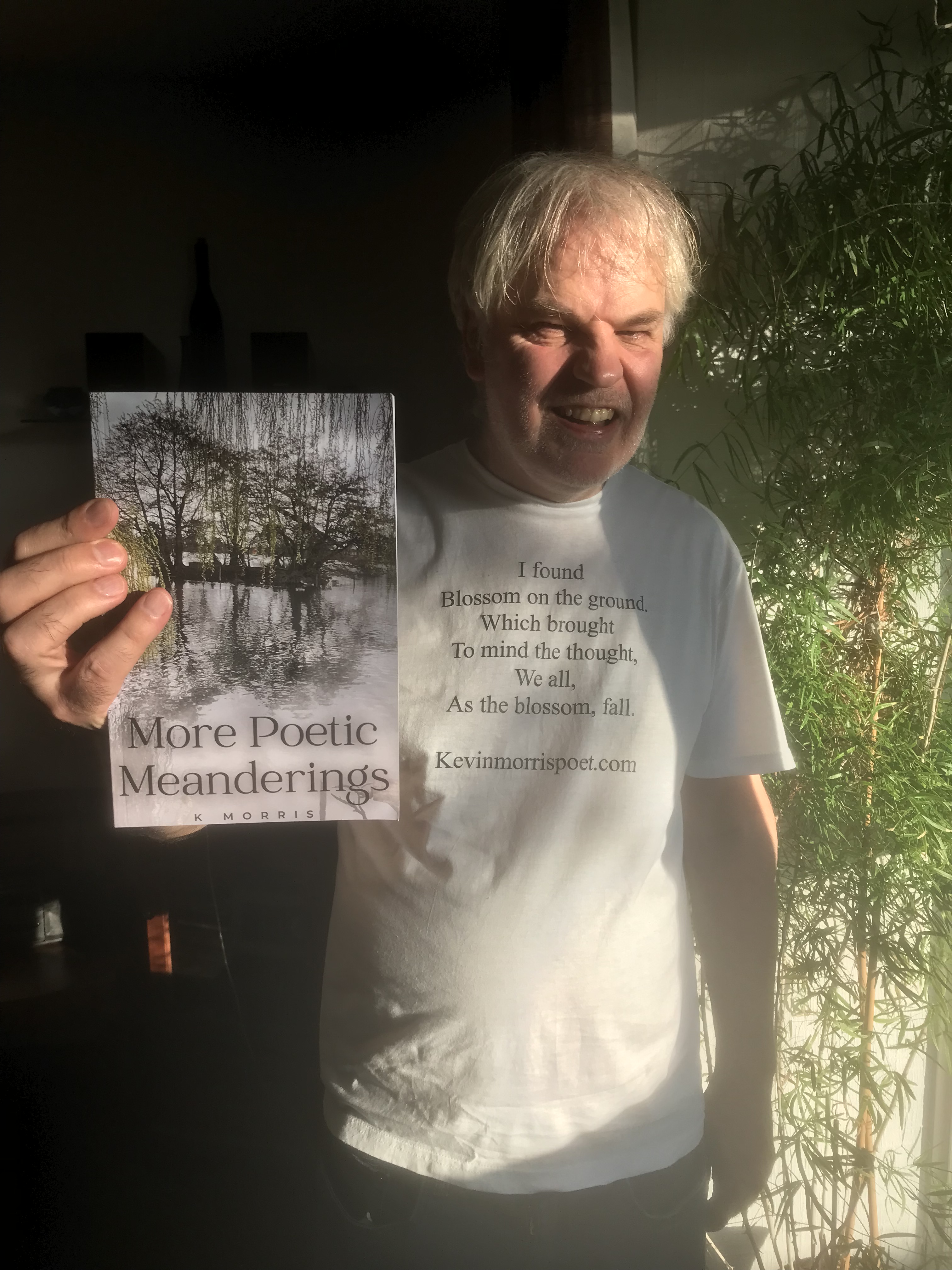
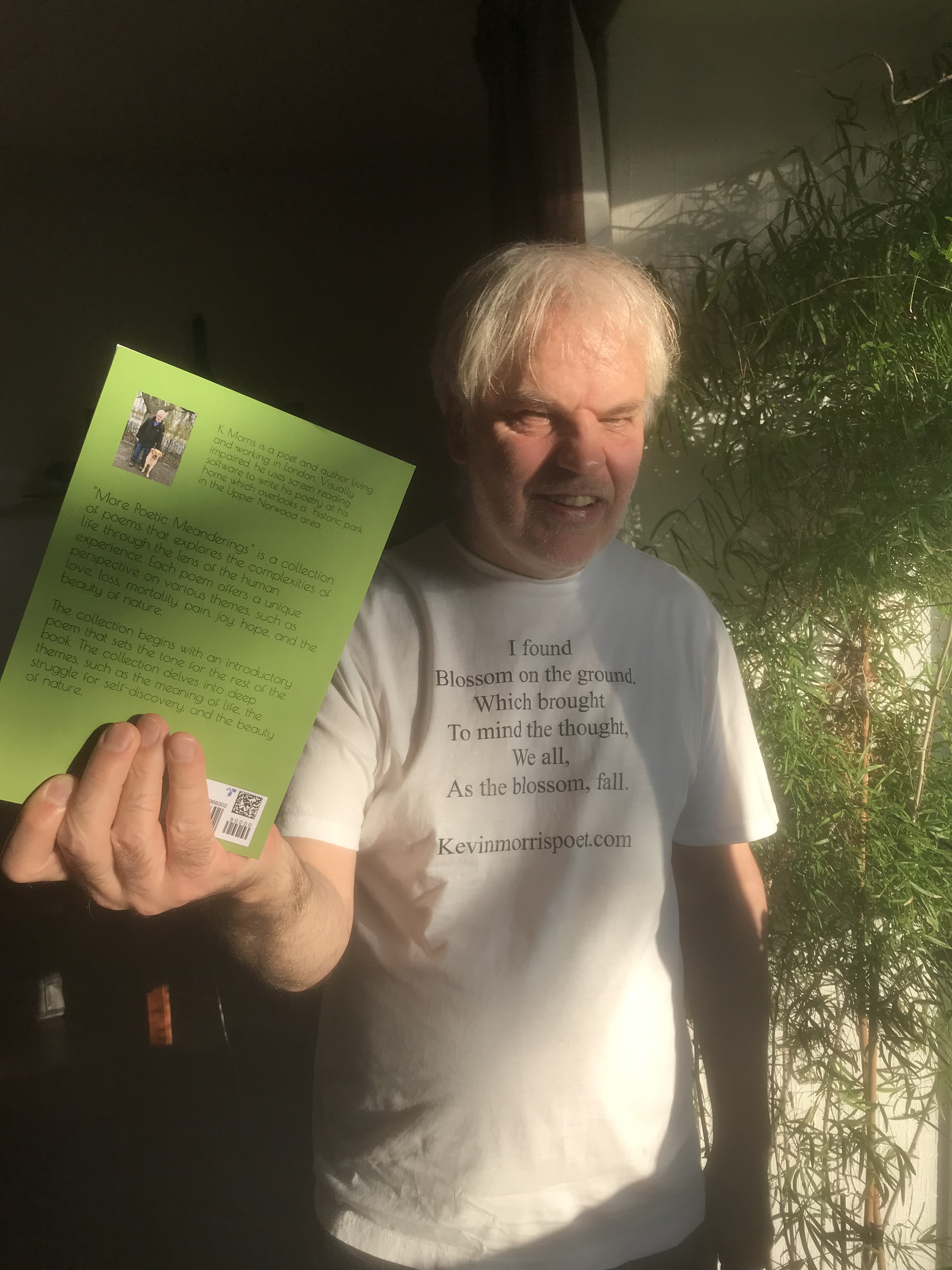
I was delighted that the lady liked rhyming poetry. And my pleasure was compounded by the fact that the poem in question was composed by me. (“Fallen Blossom” is included in my collection, “More Poetic Meanderings” More Poetic Meanderings: Amazon.co.uk: Morris, K, Morris, K: 9798388968302: Books).
The above conversation with the shop assistant caused me to ponder on why so many people (including myself) enjoy rhyming poetry.
As a child I learned many nursery rhymes, some of which I can still recite by heart. For example, whilst in the pub enjoying a few drinks with a friend, the nursery rhyme “There Was an Old Woman Who Lived in a Shoe” There Was an Old Woman Who Lived in a Shoe – Wikipedia, popped into my mind and I quoted it to my friend.
On the one hand, the rhyme can be seen as a bit of fun designed to make children laugh. It’s catchy nature lends itself to easy recollection by the reader. However, on the other hand, the poem speaks of child cruelty, (the beating of children with a shoe would today rightly have Social Services banging on the door and taking the abused children into care)!
The above rhyme is not therefore simply a charming piece of poetry. It is also (and perhaps primarily) a critique of child neglect. Not withstanding it’s dark messages “There was an Old Woman” remains memorable, as do such rhymes as “Hey Diddle Diddle” Hey Diddle Diddle – Wikipedia, a much more cheerful and light hearted rhyme, which I can still recite from memory.
I do not know how many children growing up in today’s society are exposed to the joy of nursery rhymes. However, it is my view (admittedly unscientific) that exposure to rhyme at a young age has the capacity to instil in people a life-long love of poetry and, in particular of rhyming poetry.
It is fashionable in some circles today to dismiss rhyming poetry as being “old hat” and to laud free verse. Whilst I have no beef with free verse, my instinctual preference is for poetry that rhymes. Whilst at school I recollect reading the “Highwayman” by Alfred Noyes, The Highwayman | The Poetry Foundation. The rhythm of the poem enchanted me at the time and continues to do so to this very day.
I will finish with my own poem, “On the Death of a Writer” which contains elements of rhyme:
The rain is falling again.
“The garden smells fresh
And a solitary blackbird sings.
I heard of your death.
Your book remains unread.
You had others to write
And now are dead.
Each man has his plans,
Literary or otherwise.
But none knows
When his eyes may close.
The clock ticks as I write.
The scent of wet earth
Enters the house.
Tonight, I will close my eyes
And tomorrow write …”
(“Passing Through: Some Thoughts on Life and Death https://www.amazon.com/Passing-Through-Some-thoughts-death-ebook/dp/B0F8TWMZJD).
 K Morris - Poet