Tag Archives: rnib

“Lost In The Labyrinth Of My Mind” Is Now Available In Braille

I was delighted to receive the braille edition of my book, “Lost In The Labyrinth Of My Mind” in yesterday’s mail. As I wrote in my post of 19 January (http://newauthoronline.com/2016/01/19/touching-words/), “While I am a huge fan of ebooks there is, in my opinion no substitute for their physical counterparts”.
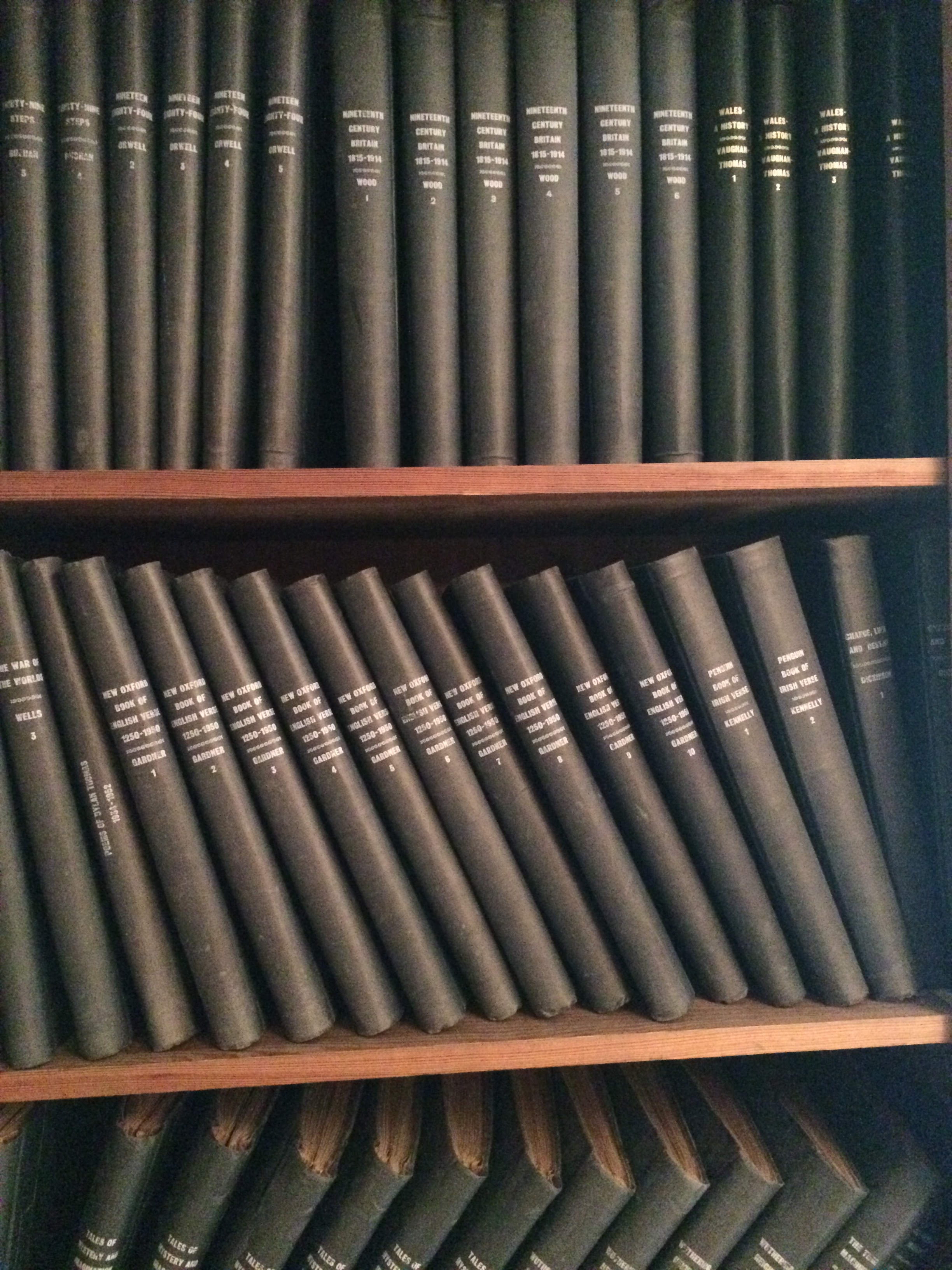
The braille edition of “Lost In The Labyrinth” joins the accessible version of my first collection of poetry, “Dalliance” and is comfortably ensconced next to it on my bookshelves.
The Royal National Institute of Blind People (RNIB) have done a good job of work, with the poems being nicely set out on the page. Unfortunately 2 of my poems, “Under The Stars” and “Wind Chimes” have been misrendered with separate titles being assigned to integral parts of both poems (I.E. the coherence of the poetry is interrupted by words which form part of the poems being incorrectly assigned as titles for separate (non-existent) poems). As the poet, I know how the poems should read. However, if RNIB add “Lost In The Labyrinth Of My Mind” to it’s catalogue, others may be confused by what has happened. Consequently I have notified RNIB of the errors which will, I hope be corrected.
The misrendering of 2 of my poems underlines for me the importance of proof reading prior to a book going on sale and/or into libraries. Painstaking checking and re-checking (whether of braille or print books) is important as badly presented publications can create a poor impression of the author in the reader’s mind.

(“Lost In The Labyrinth Of My Mind” is available as an ebook in the Amazon Kindle store and can be found here, http://www.amazon.co.uk/gp/product/B01AF5EPVY?keywords=Lost%20in%20the%20labyrinth%20of%20my%20mind&qid=1452670393&ref_=sr_1_1&s=digital-text&sr=1-1. I am currently working to produce a print edition which will, I hope be available in mid to late March 2016).

Kevin
Touching Words

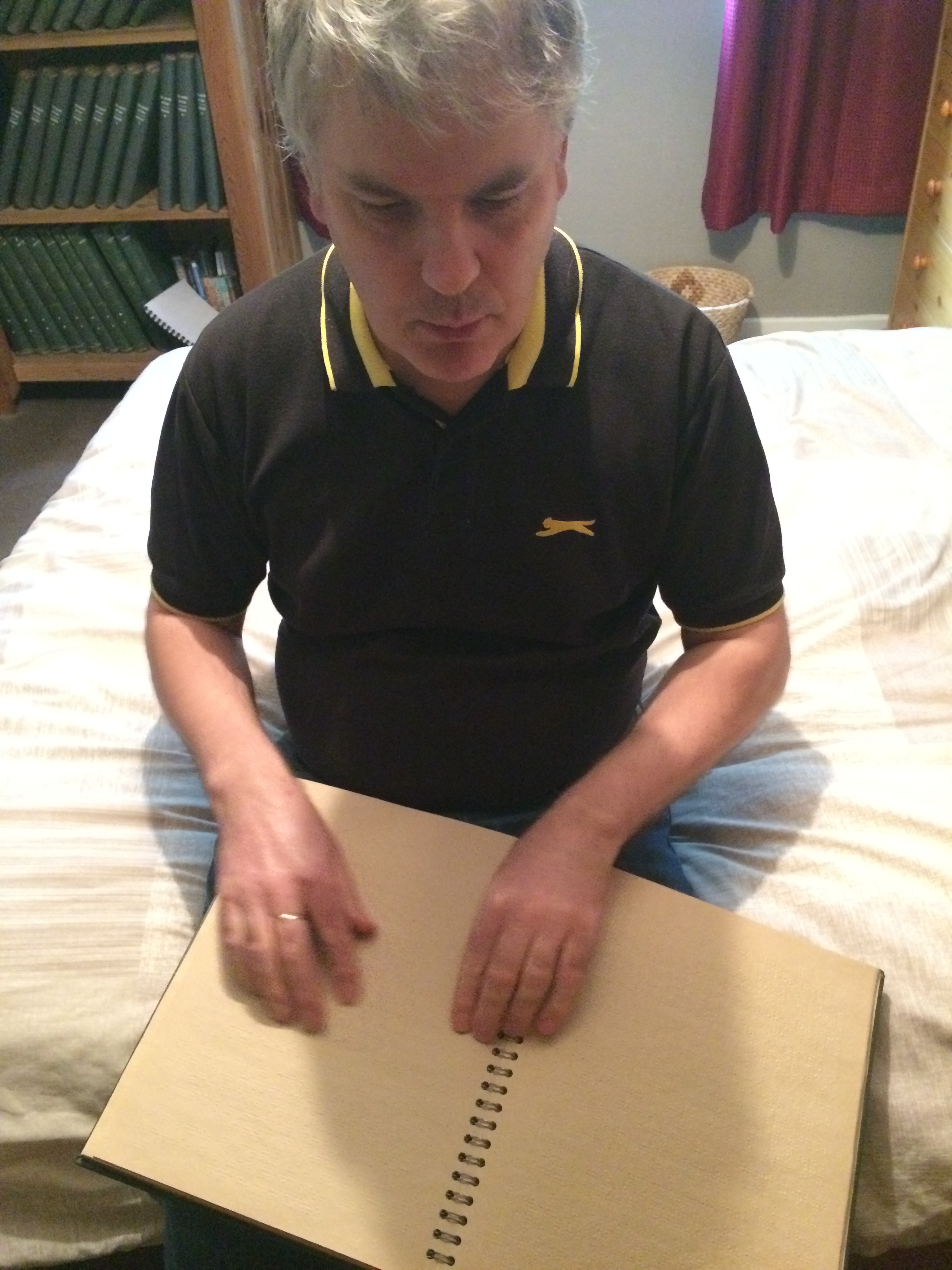
To hold one’s own book is a wonderful feeling. The tangible representation of one’s endeavours writ large. For most authors the pleasure is enhanced by the ability to read the print editions of their works. However, for me as a blind author (who is unable to read print) the situation is rather more complex. I can read ebooks using the text to speech facility on my Kindle. I can not, however read the print edition of my book, “Dalliance; A Collection Of Poetry And Prose” which sits on the bookcase in my living room. While I still derive pleasure from taking the print edition of “Dalliance” in to my hands, it is not the same as being able to sit in an armchair, flick through the pages and pause at random to read a poem.
I got round the above issue by getting the Royal National Institute Of Blind People (RNIB) to transcribe “Dalliance” from the electronic file held on my computer in to braille allowing me to possess an accessible (physical) copy of my work. Yesterday I sent the electronic file of my latest collection of poetry, “Lost In The Labyrinth Of My Mind” through to the RNIB. I await the braille edition’s arrival with eager anticipation! While I am a huge fan of ebooks there is, in my opinion no substitute for their physical counterparts.

Kevin

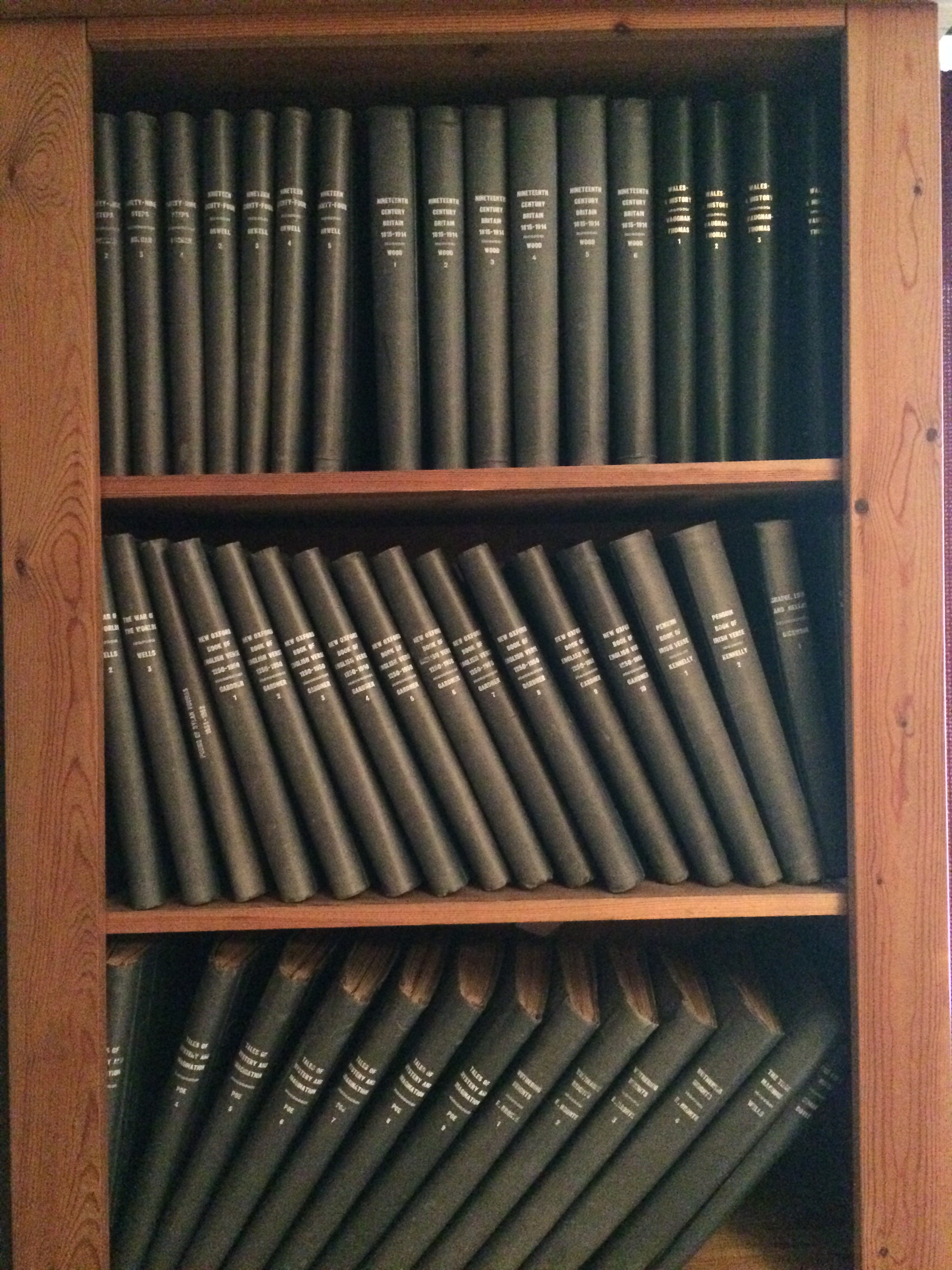
My bookshelves

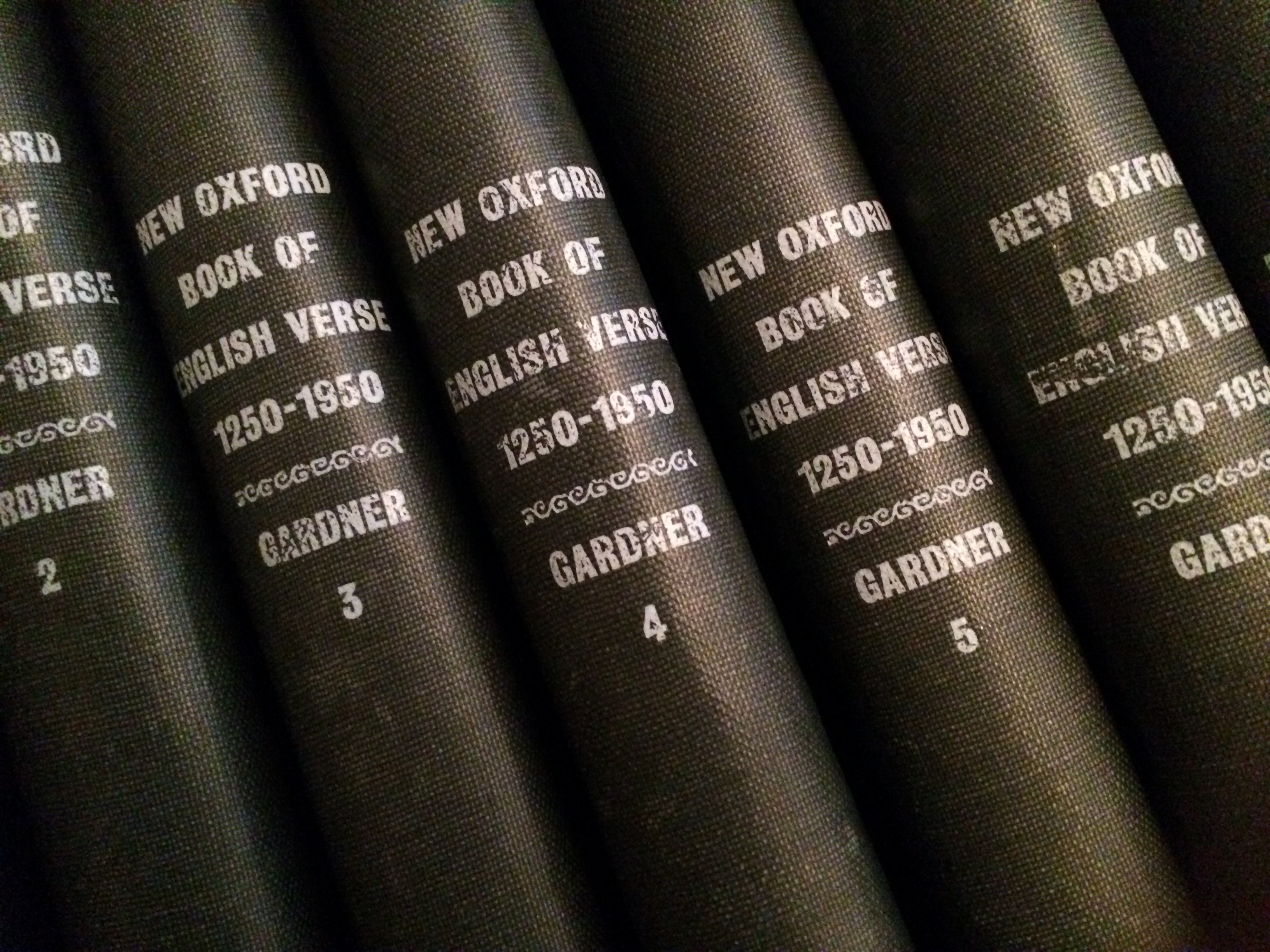
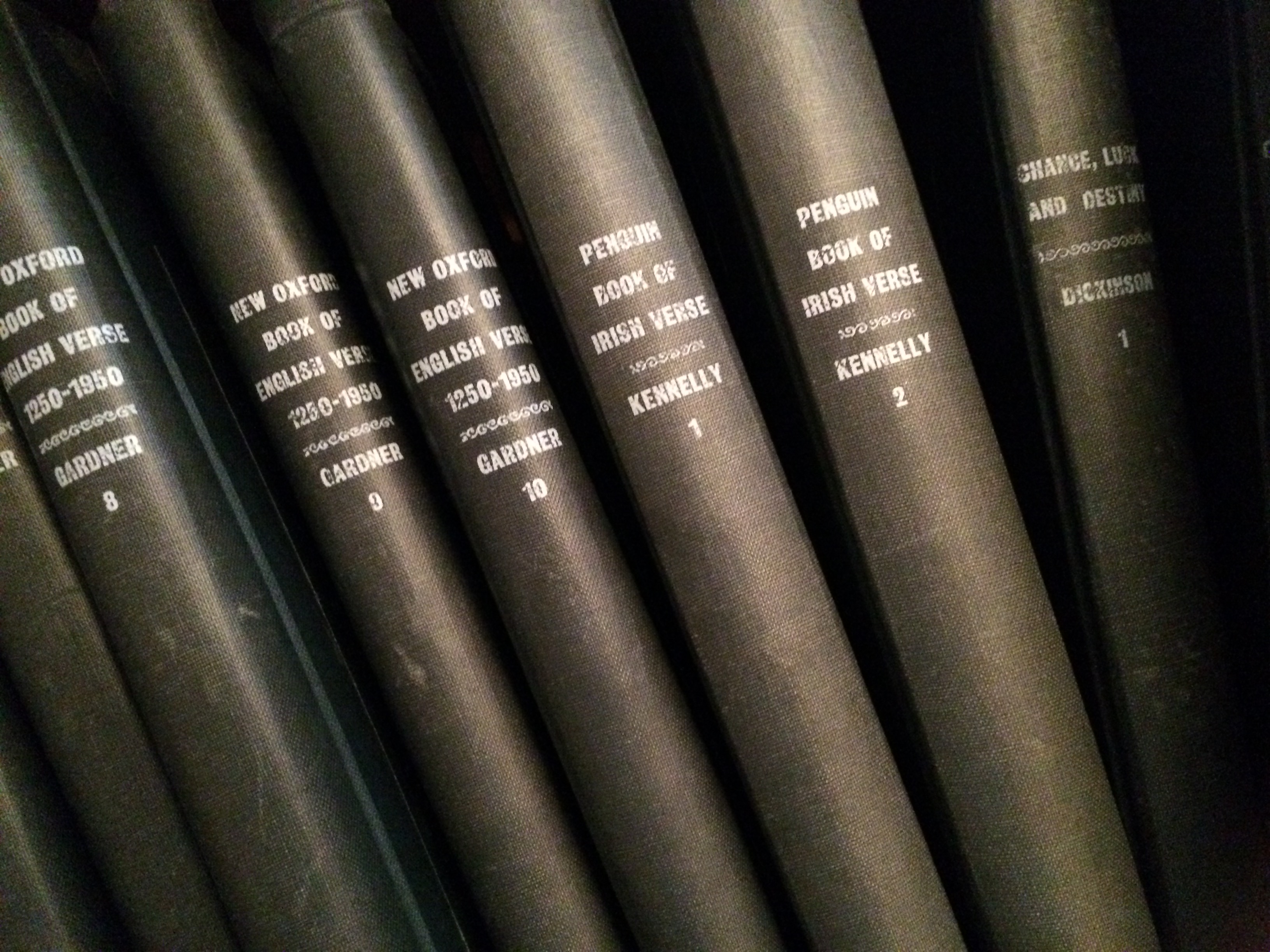
I thought it would be interesting to share a view of the bookcase in my bedroom. The books in question are all in braille. I have four book cases in total; the one in the bedroom, another in my living room and two in my study/spare room.

image11image9

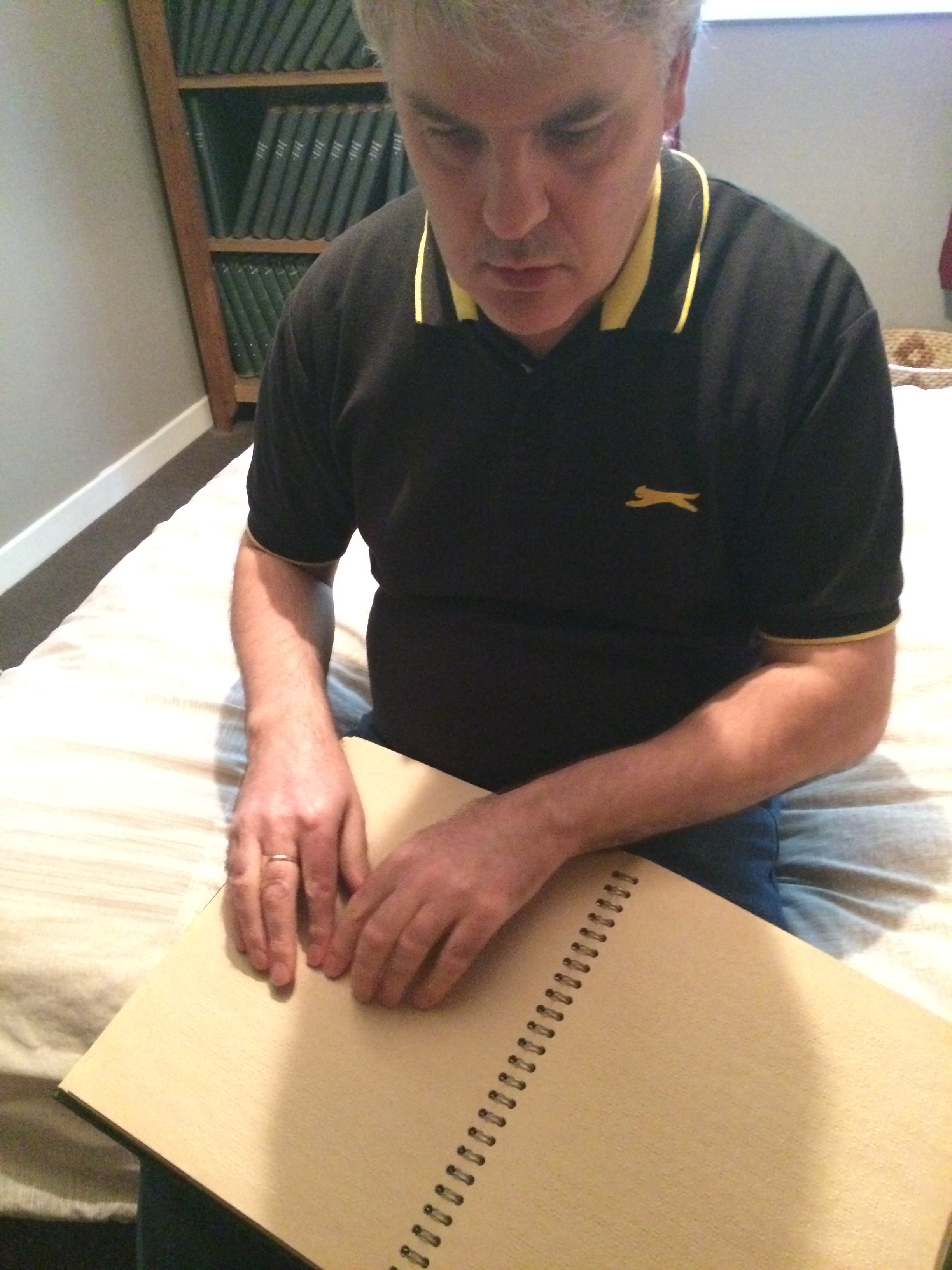
K Morris reading an anonymous poem entitled ‘The Bridal Morn’

image8  image6

A selection of books from my bookcase

image4  image2

My bookcase

K Morris reading an anonymous poem entitled ‘The Bridal Morn’

http://www.theguardian.com/books/2012/oct/08/poem-of-the-week-bridal-morn

An article from The Guardian about the poem ‘The Bridal Morn’

Oh For A Paper Dictionary!

In September 2014 I wrote a post entitled “Come Back My Little Oxford”, (http://newauthoronline.com/2014/09/28/come-back-my-little-oxford/). In that article I lamented the giving away of the Braille edition of my Dictionary and explained that the work is no longer available from the Royal National Institute of Blind People (RNIB).

I am frequently reminded of “The Little Oxford” when writing poetry and short stories. I wish to ascertain the meaning of a word or phrase, break off from my writing, go online and look it up. What is the problem with doing this? I hear someone ask. Surely the internet provides a wealth of information and unlike paper reference books, online material can be updated in the blink of an eye thereby ensuring the person in search of knowledge has the most up-to-date data at their fingertips

I agree with much of the above. It is impossible to deny the ease with which online sources of reference can (and are) updated. My problem with online reference material falls into 2 main areas:


  1. By going online I am distracted from the writing process and fall prey to the desire to check email or social media while connected. Additionally many online reference sources survive by using advertising which can be distracting when all one wants to ascertain is the definition of a word or phrase.
  2. I enjoy the physicality of books. Its pleasant to turn the pages of a hard copy work rather than search Google or other internet engine for the meaning of words.

It could be argued that I could avoid being distracted by carrying out online research prior to starting the writing process. Would that things where that simple. Admittedly I could, while writing note down words I wished to look up and research them online once the writing process has finished. However this can entail using a word and/or phrase of which I am unsure, marking it up for checking at a later point in time and continuing on with my writing. It is, in my experience easier to check as one is going along rather than using a word in the wrong context then, at a later point discovering one has done so.

In conclusion the world of online reference possesses many advantages, not least among them the ability to find meanings which may not have filtered down into paper works due to their newness. However this is, in my experience cancelled out by the distractions of the online world. As I said back in September 2014, “come back my Little Oxford”.

Come Back My Little Oxford

We have all done things in life which we later regret. As a child (teenager) I owned a Braille edition of The Little Oxford Dictionary Of Current English. I regularly consulted the dictionary (all 16 braille volumes of it)! To ascertain the meaning of words with which I was unfamiliar. It was an invaluable resource and, in retrospect I can not, for the life of me recollect why I decided to donate The Little Oxford to The National Library For The Blind in Stockport (UK). My decision to donate was no doubt connected with the proliferation of online dictionaries (why retain a dictionary which occupies a whole bookshelf when one can ascertain the same information by logging onto Google or another internet search engine of your choosing)? However I now regret my hasty decision, and wishing to obtain an updated replacement I logged onto the Royal National Institute Of Blind People’s (RNIB’s) website, only to discover that the Dictionary is no longer available in Braille.

Why the desire for a paper dictionary? Online dictionaries are convenient in that they do not take up shelf space. In addition an internet work of reference can (unlike it’s print counterpart) be easily updated. However online dictionaries (the free ones at any rate) tend to be chock full of advertisements (I hate wading through ads to find what I am looking for). Additionally I dislike being online while writing. The ideal, for me at least is to turn off my mobile, log off the internet and close e-mail thereby ensuring that I can concentrate, 100 percent on my writing. Also, to be frank I like leafing through paper dictionaries, perhaps at the age of 45 this love of traditional sources of reference is ineradicable. I suspect that in years to come paper dictionaries will become quite collectable. It will be a talking point when someone has on their shelves a copy of the last print edition of The Oxford English Dictionary but, in the meantime I still regret the loss of my 16 volumes!

http://newauthoronline.com/2014/04/21/shed-a-tear-for-the-oed/

The Blind Victoria Cross (VC)

The latest edition of RNIB’s Vision Magazine contains an interesting interview with Lord Ashcroft about his collection of Victoria Crosses, one of which was awarded to a soldier who went blind and after World War I went on to practice law as a lawyer. For the podcast please visit http://dl.groovygecko.net/anon.groovy/clients/rnib/Vision-66.mp3.

A Day In The Life Of Writing Competition

I am considering entering RNIB’s annual writing competition. This year entrants are being asked to write a story on the theme of “a day in the life of”. The story may feature either a real or ficticious person. You can find entries from last year’s competition here, http://www.rnib.org.uk/getinvolved/membership/membersbenefits/visionmagazine/Pages/vision_magazine.aspx.

Living with Blindness

I became blind due to a blood clot on my brain at the age of 18 months. I feel very lucky as the doctors predicted that I could suffer from severe mental impairments which is, fortunately not the case. I attended university and have a full time job which I enjoy doing. Above all I am grateful for the fact that I’m able to live independently.

Unfortunately many blind people receive little support from their local council on losing their sight. I was fortunate to learn how to use a white cane at school and (later) a guide dog. Many people who lose their vision wait a long time to receive mobility and other assistance to ajust to losing their sight from their local authority.

The Royal National Institute of the Blind (RNIB) has recently released a report drawing attention to the difficulties faced by many blind people, http://www.rnib.org.uk/getinvolved/campaign/news/Pages/facing-blindness-launch.aspx. RNIB is calling on the government to ensure that the Care Bill which is currently going through Parliament reflects the needs of visually impaired people. If you live in the UK I would appreciate it if you would consider writing to your MP to ask that they ensure the needs of blind people are reflected in the legislation. You can find a template letter together with further information at the above link.

For anyone who is curious how I, as a blind person use a standard Windows PC, I have Jaws software which converts the contents of the screen into speech and braille allowing visually impaired people to use a standard computer. The software is sold by a US company called Freedom Scientific.