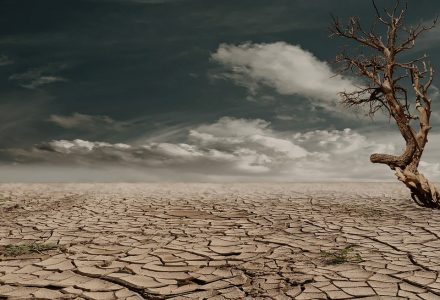

A reading of the fifth section of The Waste Land
‘What the Thunder Said’ concludes The Waste Land, T. S. Eliot’s landmark 1922 work of modernist poetry. In many ways, this is the most difficult section of The Waste Land to analyse. Nevertheless, what follows is an attempt to sketch out one possible reading or analysis of ‘What the Thunder Said’ in terms of its meaning, language, and use of literary allusions. You can read ‘What the Thunder Said’ here.
In summary: things really begin to break down properly here. In the previous four sections of The Waste Land, Eliot had used a number of different poetic forms and metres, and although the poetry occasionally broke down into what we might call free verse, it usually regained its form after a while. But ‘What the Thunder Said’ is overwhelming written in unpunctuated, unrhymed, irregular free verse.
View original post 807 more words

