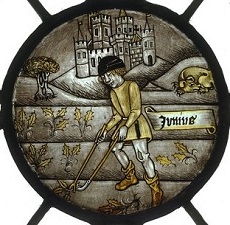
A fascinating post on the history and traditions surrounding June in medieval times.

June is just around the corner. In the Middle Ages, that meant not only a change in the weather, but a shift in daily labors, and in what was on the menu to eat.
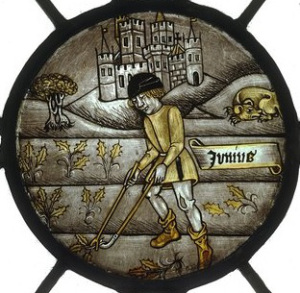 While most crops were harvested much later in the summer, hay was the first to be cut in June, though it was typically poor quality. In a society so dependent on animals for survival, haying was a vital community activity, with the lord’s fields taking priority over all the others. This was a labor carried out by men, women, and children. They worked in groups under the supervision of a reeve that had been elected by the peasants themselves. The men cut the hay with long scythes, each going through about one acre per day. Women and girls were responsible for raking and turning it. If the hay was not able to dry out, it would…
View original post 274 more words
 K Morris - Poet
This is really cool! Love history.
Yes the author has written a very interesting post. My degree is in history and politics (although I specialised in the 18th century onwards rather than earlier periods), hence my interest in this article. Thanks for your comment Lucy. Best, Kevin